Radon-Resistant New Construction: Building Homes Without Radon
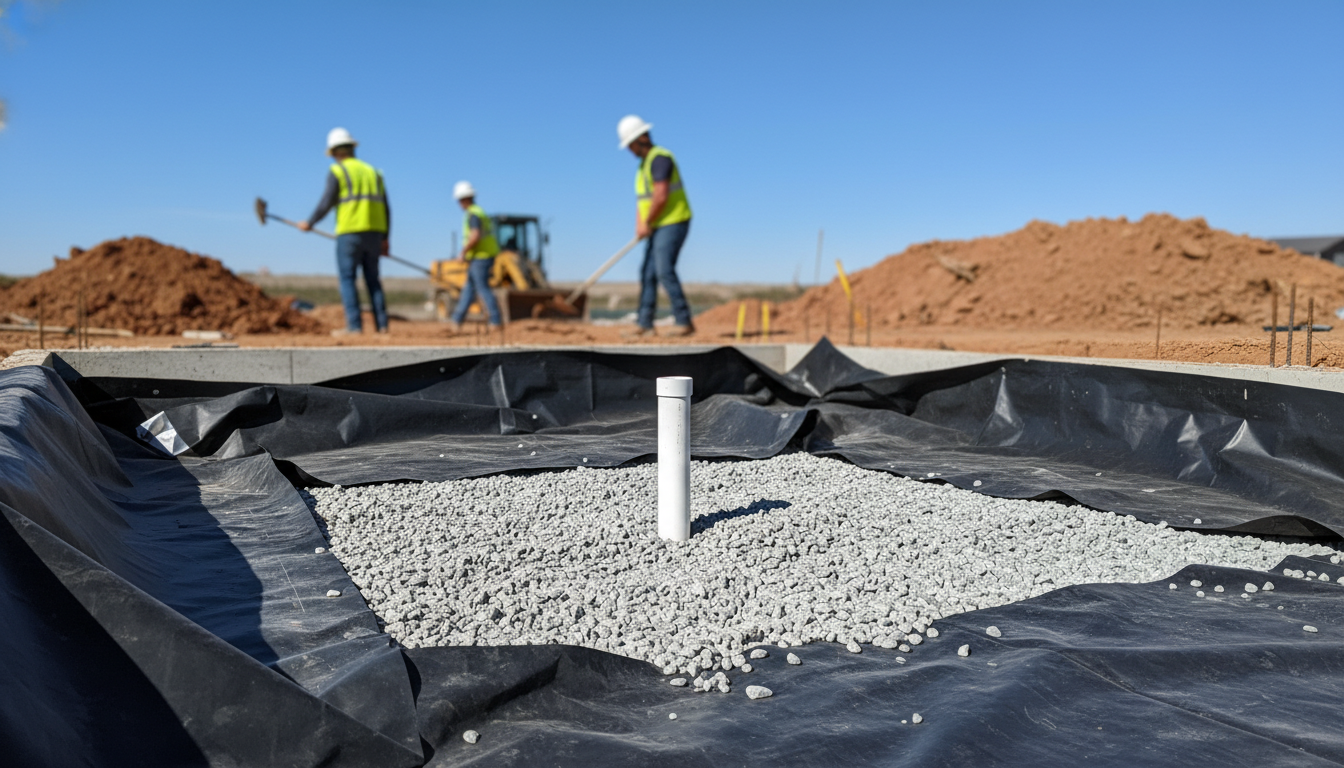
The Smart Approach: Prevent Radon During Construction
While post-construction radon mitigation is highly effective (reducing radon by 95-99%), preventing radon from entering homes during construction is even better. Radon-resistant new construction (RRNC) uses proven techniques to build homes that naturally resist radon entry, often costing just $150-$500 more than standard construction yet eliminating radon problems before they start.
If you're planning to build or buy new construction in Ohio, understanding RRNC techniques helps you make informed decisions about protecting your investment and your family's health.
What Is Radon-Resistant New Construction?
RRNC isn't complicated—it's simply building practices designed to prevent radon entry from the start. These techniques address the three fundamental conditions that radon needs to accumulate in homes:
- Radon Source: The soil beneath and around the home (unavoidable in Ohio)
- Entry Pathways: Cracks, gaps, and openings in foundations
- Pressure Differential: Stack effect pulling radon indoors
RRNC techniques target the second and third factors, eliminating entry pathways and reducing pressure differentials that drive radon inside.
Construction Philosophy: RRNC is based on the principle that preventing radon problems through smart construction is far more cost-effective and convenient than dealing with elevated radon in occupied homes. EPA strongly encourages all new residential construction to include RRNC features, even in low-radon areas.
EPA Radon-Resistant New Construction Standards
The EPA has established comprehensive RRNC standards that any builder can follow. These standards are not federally mandated in all states, but they represent best practices based on decades of radon science.
Core EPA RRNC Requirements
EPA guidance recommends homes include:
- Gas-Permeable Layer: A layer of gravel or other material beneath the foundation slab that allows radon gas to move laterally rather than upward
- Vapor Barrier: Plastic sheeting over the sub-slab preparation layer, creating a seal against radon entry through the foundation
- Vent Pipe Installation: A PVC pipe running from beneath the slab through the home to above the roofline, allowing for future radon extraction if needed
- Foundation Sealing: Caulking and sealing all penetrations in the slab and foundation walls
- Proper Grading: Slope of land around foundation to direct water away, reducing soil saturation and radon transport
Optional Active System Installation
Some builders install active radon mitigation systems during construction (radon fan and complete ductwork). While this adds $500-$1,500 upfront, it ensures the home will test below 2 pCi/L. Buyers benefit from immediate radon-free certification.
RRNC Techniques Explained
Understanding how each RRNC technique works helps you evaluate whether a new home truly incorporates radon resistance.
Gas-Permeable Layer
Purpose: Creates a pathway for radon gas to move laterally beneath the foundation rather than being concentrated directly below the slab.
Installation: A 4-6 inch layer of coarse gravel or sand is placed on soil before the sub-slab preparation layer. This loose material allows radon gas (and other soil gases) to migrate sideways.
Effectiveness: Reduces radon concentration directly beneath the slab by dispersing it laterally; works best in combination with other techniques.
Vapor Barrier
Purpose: Physically blocks radon entry through the foundation slab and walls.
Installation: Six-mil polyethylene sheeting is placed over the gravel layer before concrete is poured. All seams are overlapped and sealed. The barrier covers the entire sub-slab area and extends up foundation walls.
Effectiveness: Blocks approximately 75-85% of radon entry; most effective when combined with other sealing and ventilation measures.
Reality: Vapor barriers alone don't completely prevent radon (they don't address pressure differentials), but they significantly reduce radon entry.
Vent Pipe Installation During Construction
Purpose: Provides infrastructure for future radon extraction without requiring foundation drilling.
Installation: A 3-4 inch PVC pipe is installed from beneath the slab (in the gravel layer) through the home to above the roofline. The pipe is typically installed in a corner or along a wall, often on the outside of the home.
Cost During Construction: Approximately $150-$300; becomes significantly more expensive ($800+) to add post-construction.
Future Use: If radon testing shows elevated levels, a fan is simply connected to the existing pipe—no need for foundation drilling or major installation work.
Foundation Sealing
Purpose: Eliminates cracks, gaps, and openings where radon can directly enter the home.
Installation: All cracks in the concrete slab, joints between walls and floors, and penetrations for pipes and utilities are sealed with polyurethane caulk or concrete sealant before backfill and construction completion.
Critical Detail: Even small gaps can allow substantial radon entry; thorough sealing is essential.
Grading and Drainage
Purpose: Reduces soil moisture around the foundation, which can affect radon transport and related issues.
Implementation: Final grading slopes away from the foundation (minimum 6 inches of drop over 10 feet). Gutters and downspouts direct water away from the foundation.
Benefits Beyond Radon: Proper grading prevents basement moisture and water damage, which are separate but related problems.
Ohio Building Code Requirements for Radon
Unlike some states with mandated RRNC requirements, Ohio's building codes don't universally require radon-resistant features. However, the situation is evolving.
Current Ohio Status
- No State-Wide Mandate: Ohio doesn't require RRNC features in all new construction
- Local Variation: Some progressive Ohio municipalities have adopted RRNC requirements
- Builder Initiative: Many Ohio builders voluntarily include RRNC, particularly in high-radon areas
- Radon Zone Awareness: EPA Zone 1 designation (Ohio's status) makes builders and buyers more radon-conscious
How to Ensure Your New Home Includes RRNC
If you're building or buying new construction in Ohio:
- Ask Explicitly: Request written confirmation that RRNC features are included
- Review Plans: Ask to see building plans showing gas-permeable layer, vapor barrier, and vent pipe location
- Inspection: During construction, verify installation of RRNC components before the foundation is covered
- Post-Construction Testing: Test your new home within 1-2 months of occupancy to verify radon resistance
- Warranty: Ask if the builder warranties the home to be below EPA action levels for a specified period
Cost Comparison: New Construction vs. Retrofit
The financial comparison between building radon-resistant and retrofitting existing homes is compelling:
| Scenario | Cost to Implement | Timeline |
|---|---|---|
| RRNC during construction (passive) | $150-$500 | During construction (no delay) |
| RRNC during construction (active system) | $800-$2,000 | During construction (no delay) |
| Retrofit mitigation (after construction) | $800-$2,500 | After occupancy (10-30 days for installation and testing) |
| Add vent pipe post-construction | $800+ | Requires foundation drilling and exterior wall penetration |
Key Insights
- Preventive RRNC is Cheapest: Basic RRNC costs $150-$500; far less than retrofit mitigation
- Construction Convenience: RRNC is integrated during building; doesn't delay occupancy or require future work
- Active System Value: Even active mitigation during construction ($800-$2,000) is cost-competitive with retrofit ($800-$2,500) and ensures the home tests radon-free from day one
- Post-Vent-Pipe Installation is Most Expensive: Adding a vent pipe after construction (to enable future mitigation) costs more than installing a complete system post-construction
For buyers of new construction, requesting a home with RRNC during construction is economically smart and eliminates radon uncertainty.
Benefits of RRNC for Builders and Buyers
Benefits for Builders
- Reduced Liability: Homes built with RRNC rarely develop radon problems, reducing warranty and liability exposure
- Marketing Advantage: Radon-resistant homes appeal to health-conscious buyers; can be marketed as premium feature
- Competitive Advantage: In Ohio's EPA Zone 1 market, RRNC-equipped homes stand out
- Minimal Cost: Basic RRNC adds only $150-$500 to construction cost (typically less than 0.5% of home price)
- Positive Perception: Shows commitment to health and quality
Benefits for Buyers
- Peace of Mind: Radon resistance is built in; no uncertainty or future remediation worries
- Cost Savings: Avoid the $800-$2,500 retrofit mitigation cost that existing homes often require
- Health Certainty: Radon-resistant construction provides strong assurance that radon won't be an issue
- Resale Value: Homes with RRNC and documented low radon testing appeal to future buyers
- Testing Option: Some builders with active mitigation systems warranty homes below EPA action levels, providing buyback protection if radon is later detected
New Construction Radon Testing
Even homes built with RRNC should be tested after occupancy:
Why Test New RRNC Homes?
- Installation Verification: Testing confirms that RRNC features were properly installed
- Baseline Establishment: Knowing your baseline radon level helps monitor if problems develop
- Warranty Documentation: If the builder offers a radon warranty, testing establishes the baseline
- Buyer Confidence: You can confidently verify that your new home delivers on radon-resistance claims
Typical Results
New homes with proper RRNC typically test at:
- Passive RRNC Only: Often 1-3 pCi/L; better than average but not guaranteed below action level
- With Active System Installed: Usually below 1 pCi/L; excellent results providing confidence
If a new RRNC home tests above 2 pCi/L, mitigation can be added, typically using the pre-installed vent pipe to simplify installation.
When Buying or Building in Ohio
Here's guidance for Ohio homebuyers and builders:
For Buyers of New Construction
- Ask About RRNC: Request written confirmation that the home includes EPA-recommended RRNC features
- Review Documentation: Ask to see building plans and construction photos showing radon-resistant components
- Request Testing: Ask the builder to test the home before closing, or arrange your own testing within 1-2 months
- Negotiate Warranty: If radon is detected, negotiate builder responsibility for mitigation costs
For Builders Considering RRNC
- Minimal Cost Addition: RRNC adds less than 0.5% to home construction cost but significantly improves marketability
- EPA Resources: Free RRNC guidance and resources are available through EPA website
- Competitive Advantage: In Ohio's EPA Zone 1 market, RRNC is a valuable differentiator
- Quality and Safety: RRNC demonstrates commitment to home quality and buyer health
The Future of Radon in Ohio Construction
As radon awareness grows and building science advances, RRNC adoption is increasing. Many Ohio cities and counties are considering or adopting radon-resistant building code requirements. Builders who adopt RRNC now position themselves for future code compliance and competitive advantage.
For Ohio homebuyers purchasing existing homes, RRNC isn't an option—you'll need traditional radon testing and potential mitigation. But for new construction, insisting on RRNC eliminates radon from the buying and ownership equation entirely.